
The Best iPhone in 2026: Every Model Compared
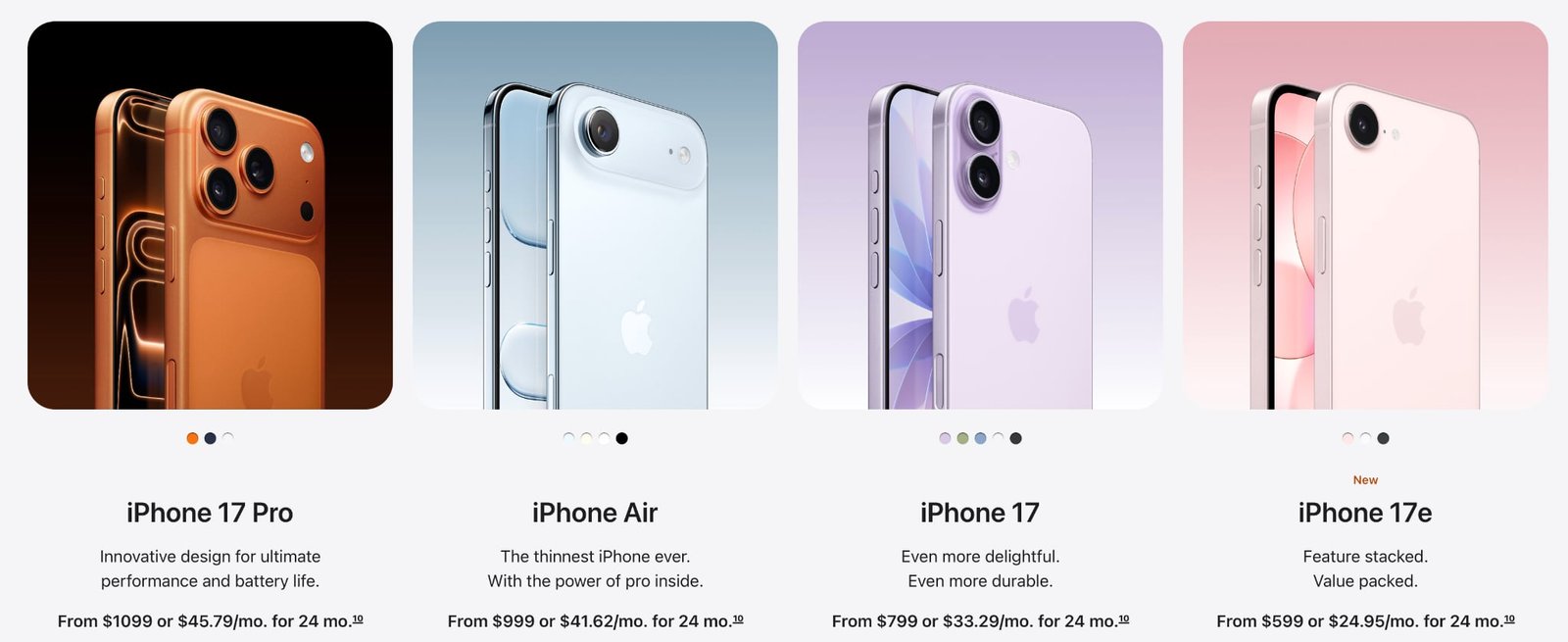
Apple’s 2026 lineup spans $599 to $1,099, and the differences matter more than the spec sheets suggest. We bought all four — the iPhone 17 Pro, iPhone Air, iPhone 17, and iPhone 17e — at retail, and for most people the answer is the iPhone 17: it gets the Pro’s 120Hz display and front camera for $300 less. Here’s the full breakdown, including who should spend more, who should spend less, and who shouldn’t buy anything at all.
Already leaning toward one? Jump straight to it below — you’re probably right, and the section will tell you quickly if you’re not.
At a glance
Our picks in 10 seconds

iPhone 17
The 120Hz display and 256GB base storage erase the old reasons to go Pro. The right phone for most buyers.
From $799
Read more ↓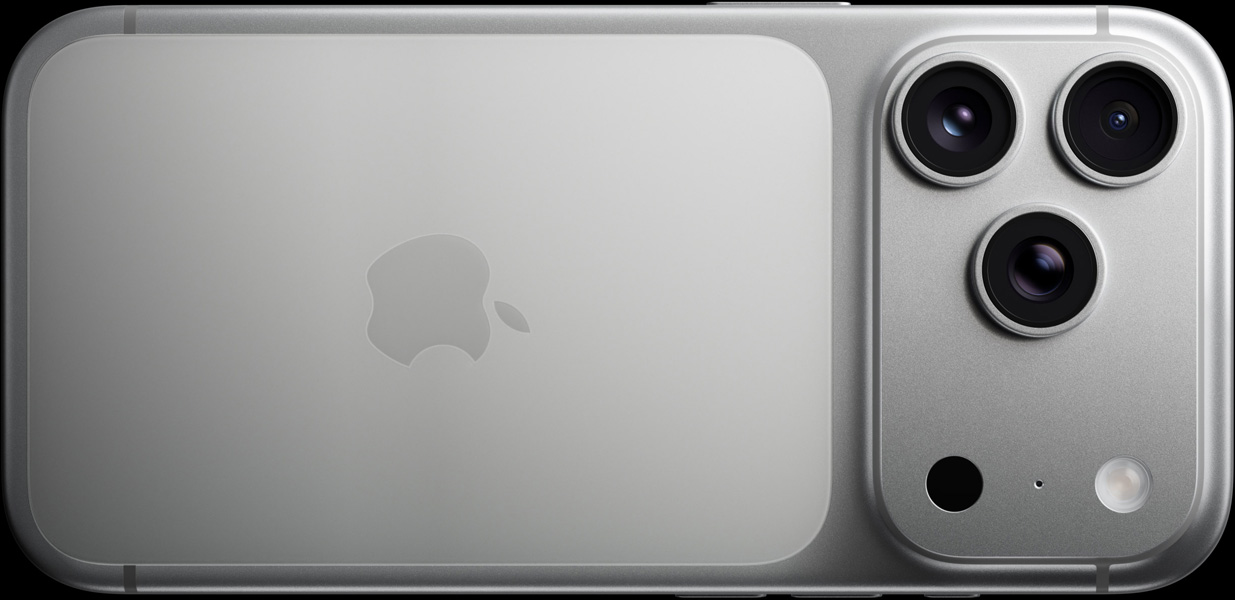
iPhone 17 Pro
Three 48MP cameras, 8x optical-quality zoom, and the longest battery rating in the lineup.
From $1,099
Read more ↓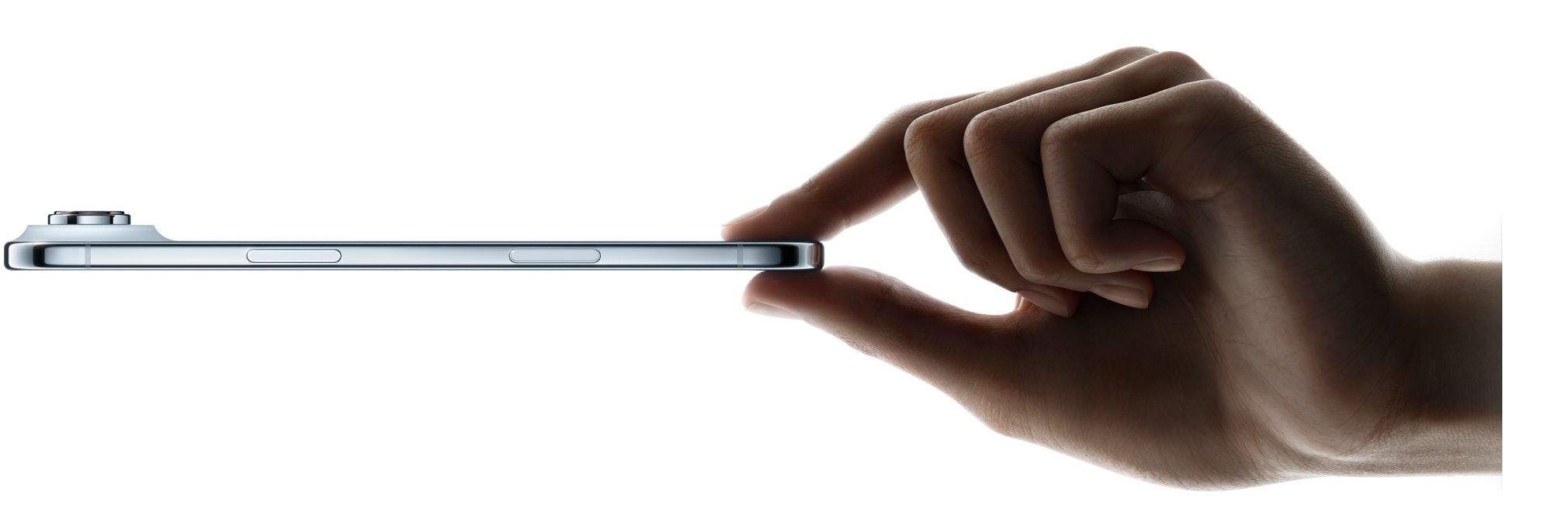
iPhone Air
5.6 mm thin, 165 g, with a big 6.5-inch display. You trade camera flexibility and some battery for it.
From $999
Read more ↓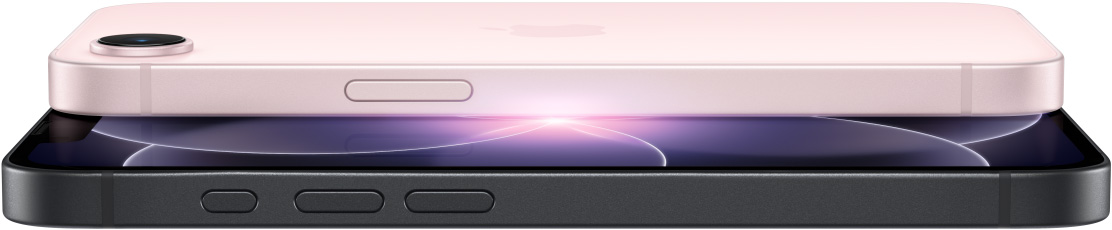
iPhone 17e
The same A19 chip as the iPhone 17, now with MagSafe and 256GB, for $599. The screen is the trade-off.
From $599
Read more ↓First: should you buy anything?
If you have an iPhone 15 or 16, almost certainly not — they run iOS 26, support Apple Intelligence, and the year-over-year gains don’t justify the cost. If you’re on an iPhone 13 or 14 and your battery still gets you through the day, you can also reasonably wait: Apple’s next lineup is expected in September, roughly three months away, and current models typically see trade-in and carrier deals improve then too. This guide is for people whose phone is genuinely done — or who simply know they’re buying now.
Jump to: How we evaluateiPhone 17iPhone 17 ProiPhone AiriPhone 17eComparison tableBuying adviceFAQ
Methodology
How we evaluate
We bought all four phones at retail from T-Mobile US — none were supplied by Apple or T-Mobile, and neither company has any input into this guide. There are no paid placements, and no one sees our verdicts before publication.
- Every spec and price on this page is verified against Apple’s published listings as of the date above, and re-verified when we update.
- Performance figures are attributed. Battery and charging numbers below are Apple’s own published figures, labeled as such — we tell you exactly whose number you’re reading.
- Verdicts are about fit, not winners. Phones differ less in quality than in trade-offs; our job is matching the trade-offs to how you’ll actually use the phone.
- Our own measurements get added as we complete them, dated and documented, in the update log at the bottom of this page.
What we weight
| Camera system | 25% |
| Battery & charging | 20% |
| Display | 20% |
| Value for money | 20% |
| Design & durability | 15% |
These weights are our priorities, not objective truth — if cameras don’t matter to you, the buying-advice section below shows you how to re-rank for yourself.
The breakdown
The four iPhones, in the order we’d recommend them
iPhone 17
Who it’s for: almost everyone. The single biggest change this year is that the standard iPhone finally gets ProMotion — the 6.3-inch display now scrolls at up to 120Hz, the same adaptive refresh rate as the Pro. Add the new 18MP Center Stage front camera (also identical to the Pro’s), the 48MP dual Fusion camera system, Ceramic Shield 2, and a bump to 256GB of base storage at the same $799 the old 128GB model cost, and the historical reasons to spend $300 more have mostly evaporated.
The 48MP main camera is the same class of sensor across the lineup; where the Pro pulls ahead is zoom range and sustained workloads, not everyday shots. Apple rates the 17 at up to 30 hours of video playback — three hours shy of the Pro, eight hours ahead of last year’s iPhone 16.
Strengths
- 120Hz ProMotion finally comes to the base model — the upgrade most people will actually notice
- 256GB base storage at the same $799 the 128GB model used to cost
- Center Stage front camera is the same one in the $1,099 Pro
- Five genuinely nice colors
Trade-offs
- No telephoto — zoom past 2x falls behind the Pro fast
- No vapor-chamber cooling, so long gaming or 4K-editing sessions lean on the A19 harder than the Pro’s A19 Pro
- No Camera Control button for quick capture shortcuts
Key numbers — Apple’s figures
Who should skip itIf you shoot a lot of zoom or push long sustained workloads, the 17 Pro earns its premium. If $799 is a stretch, the 17e keeps the same chip for $200 less.
iPhone 17 Pro
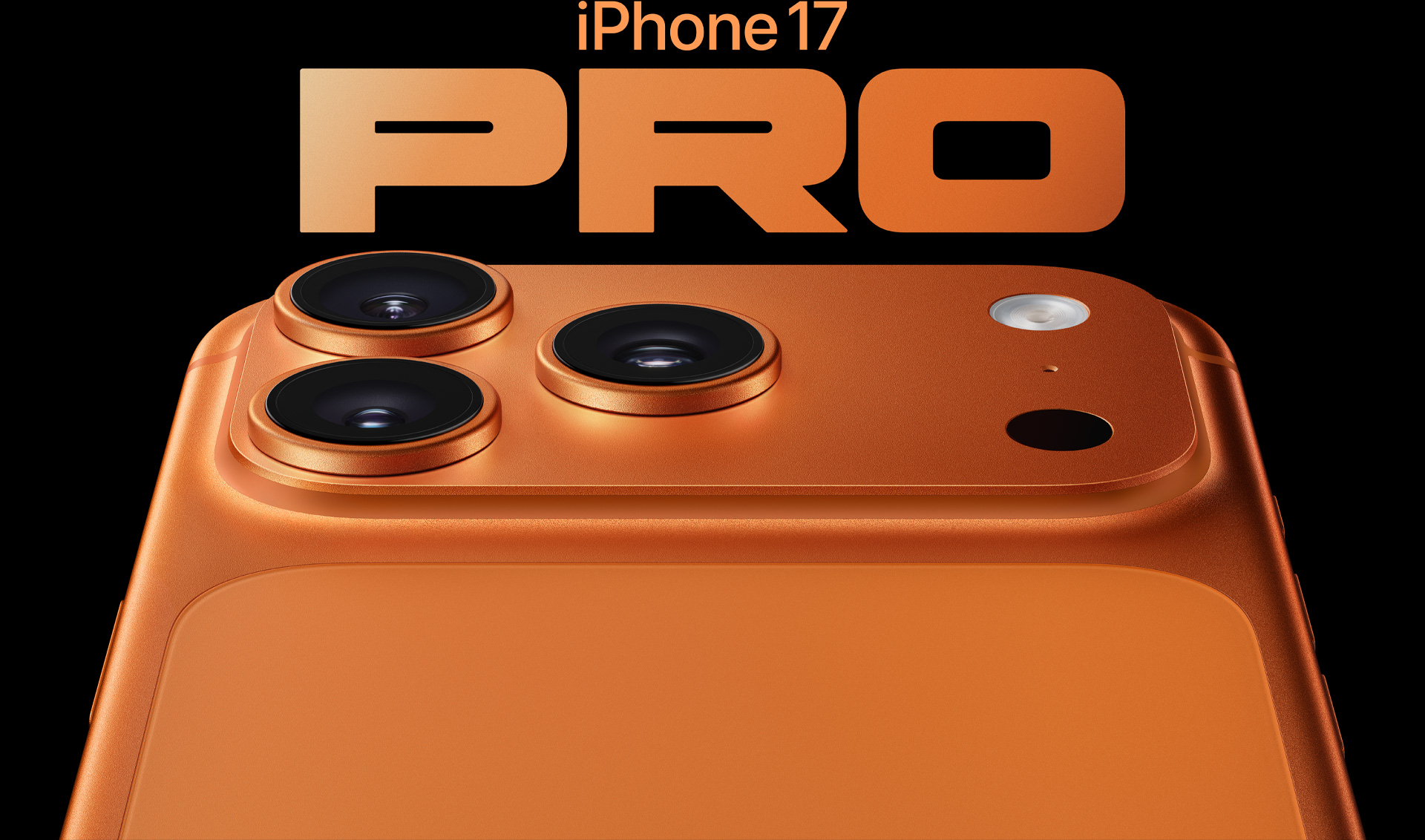
Who it’s for: photographers, video shooters, and anyone whose phone is a work tool. All three rear cameras are now 48MP, and the new tetraprism telephoto — with a 56% larger sensor than last year’s — reaches 8x optical-quality zoom at a 200mm-equivalent focal length, the longest zoom Apple has ever shipped on an iPhone. That’s a real lens reach, not a crop trick, and it’s the one camera capability no other phone in this lineup can approximate.
The redesigned aluminum unibody is the other story: a sealed vapor chamber moves heat away from the A19 Pro, which is what lets it sustain peak performance through long gaming or editing sessions. It also carries the lineup’s top battery rating — up to 33 hours of video playback by Apple’s figures, with the 6.9-inch Pro Max rated at 39.
Strengths
- The most capable camera system in the lineup — the 8x telephoto is a genuine 200mm-equivalent focal length
- Longest battery rating of the four (33 hrs video playback, Apple’s figure)
- Vapor-chamber cooling for sustained performance under long loads
- Cosmic Orange is the most distinctive iPhone finish in years
Trade-offs
- At 206 g it’s the heaviest phone here — 41 g more than the Air, and you feel it
- $300 over the iPhone 17 buys zoom, cooling, and stamina — not a better screen or selfie camera; those are the same
- The full-width camera plateau makes many cases sit unevenly
Key numbers — Apple’s figures
Who should skip itIf you rarely zoom past 2x and don’t game or edit heavily, you’re paying $300 for capability you won’t use — get the iPhone 17.
iPhone Air
Who it’s for: people who hold the Air once and stop caring about spec sheets. At 5.6 mm and 165 g — with a titanium frame, Ceramic Shield front and back, a 6.5-inch ProMotion display, and the A19 Pro chip — it’s the thinnest iPhone Apple has ever made, and the most physically striking. It manages to be both the lightest phone in this lineup and the one with the second-largest screen.
The trade-offs are real, though. There’s one rear camera — an excellent 48MP Fusion that produces a respectable 2x sensor-crop zoom, but no ultrawide and no telephoto. Apple rates the battery at up to 27 hours of video playback, the lowest figure in this lineup, and offers a snap-on MagSafe Battery for heavier days — a tacit acknowledgment of the thin chassis’s limits. It’s also eSIM-only worldwide, worth checking if you travel with local physical SIMs.
Strengths
- The thinness and weight are a daily, tangible pleasure — not a spec-sheet gimmick
- Big 6.5-inch 120Hz display in a body lighter than the 6.3-inch iPhone 17
- A19 Pro performance — this is not a midrange phone in a thin suit
- Titanium frame with Ceramic Shield on both front and back
Trade-offs
- One rear camera at $999 — no ultrawide stings on a phone this expensive
- Lowest battery rating in the lineup (27 hrs video playback vs the 17’s 30, Apple’s figures)
- Slower fast-charging spec: 50% in 30 minutes vs ~20 for the 17 and 17 Pro
- eSIM-only is a hassle for some international travelers
Key numbers — Apple’s figures
Who should skip itIf you shoot group shots, landscapes, or concerts, the missing ultrawide and zoom will frustrate you — the iPhone 17 is $200 less and more camera.
iPhone 17e
Who it’s for: anyone who wants a current iPhone for the least money — and this year that’s an easy recommendation to make without an asterisk. Launched in March 2026 at $599, the 17e keeps the same A19 chip as the $799 iPhone 17, doubles base storage to 256GB at the same price the 16e charged for 128GB, gains Apple’s new C1X modem, and finally adds full 15W MagSafe — the single biggest quality-of-life gap of last year’s model, fixed. If your budget is $599, this is not a consolation prize; it’s a current-generation phone that will stay current for years.
The compromises live almost entirely in the display: a 6.1-inch 60Hz Super Retina XDR panel with the older notch design rather than the Dynamic Island, and no ProMotion at any price. The single 48MP Fusion camera is genuinely good in daylight, with a usable 2x sensor-crop telephoto — but there’s no ultrawide.
Strengths
- The same A19 chip as the $799 iPhone 17 — flagship-class performance at $599
- MagSafe at last: 15W wireless charging and the whole accessory ecosystem
- 256GB base storage at the old 128GB price
- Up to 26 hours of video playback (Apple’s figure) — within four hours of the iPhone 17, helped by the efficient C1X modem
Trade-offs
- 60Hz display is the most visible compromise in the lineup — scrolling looks dated next to every other phone here
- Notch instead of Dynamic Island; the front design reads as several years old
- No ultrawide camera, and no ProMotion option at any price
Key numbers — Apple’s figures
Who should skip itIf you’ve used a 120Hz phone, you’ll notice this screen daily — the iPhone 17 is the better long-term buy when the extra $200 is realistic. If it isn’t, buy this without second-guessing; nothing about it will hold you back.
Side by side
Every model, compared
| Model | Price (256GB) | Display | Chip | Rear cameras | Video playback* | Weight |
|---|---|---|---|---|---|---|
| iPhone 17★ Best for most people | $799 | 6.3″ · 120Hz | A19 | 2 × 48MP | 30 hrs | 177 g |
| iPhone 17 ProBest photography | $1,099 | 6.3″ · 120Hz | A19 Pro | 3 × 48MP · 8x zoom | 33 hrs | 206 g |
| iPhone AirBest design | $999 | 6.5″ · 120Hz | A19 Pro | 1 × 48MP | 27 hrs | 165 g |
| iPhone 17eBest value | $599 | 6.1″ · 60Hz | A19 | 1 × 48MP | 26 hrs | — |
What about the iPhone 16? Apple still sells it, but it’s squeezed from both sides: the 17e matches its performance class for less money with newer durability and MagSafe parity, and the 17 outclasses its display and storage for slightly more. We don’t recommend it for new purchases at current pricing. *Video playback hours are Apple’s published ratings; real-world results vary with brightness, signal, and use.
Buying advice
What actually matters when choosing
The display is the real dividing line
Three of these four phones now have 120Hz ProMotion panels — the spec that used to define “Pro.” The 17e’s 60Hz screen is the only meaningful display compromise left in the lineup, and it’s the one you’ll see every single time you touch the phone. Weigh it more heavily than chip benchmarks.
Ignore megapixel counts; count lenses
Every phone here has a 48MP main camera that takes excellent daylight photos. The real differences are how many focal lengths you get: the 17e and Air give you one lens, the 17 adds an ultrawide, and the Pro adds an 8x telephoto. Think about what you actually shoot — group photos and landscapes want the ultrawide; kids’ games and concerts want the zoom.
Storage anxiety is over
For the first time, every model in the lineup starts at 256GB. Unless you shoot a lot of 4K video, the base configuration is the right buy across the board — which makes the sticker prices honest in a way previous lineups weren’t.
Chips matter less than marketing says
The A19 in the $599 phone and the A19 Pro in the $1,099 phone will feel identical in everyday apps. The Pro chip — and the 17 Pro’s vapor-chamber cooling — earn their keep in sustained loads: long gaming sessions, 4K editing, hot-day navigation. If that’s not your week, don’t pay for it.
FAQ





Leave a Reply
You must be logged in to post a comment.